1. Architecture Design
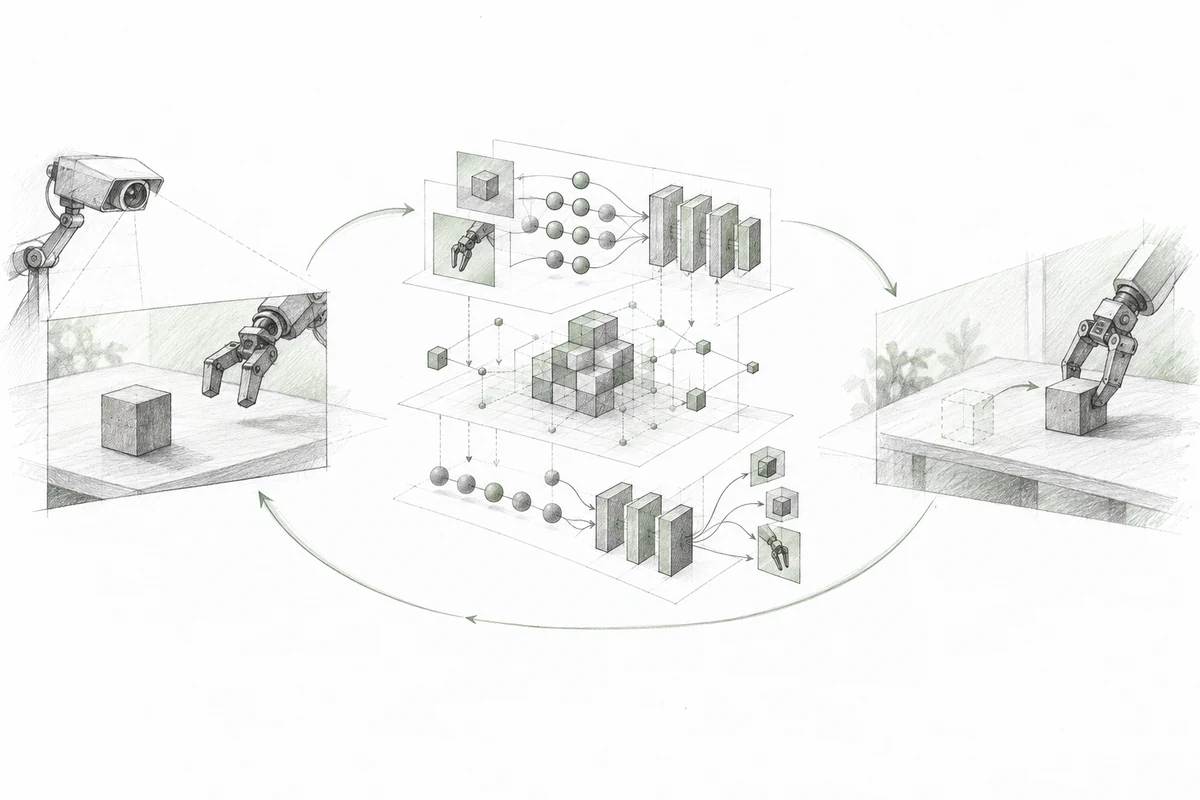
I study architectures that connect perception, world representations, and action, including World Action Models. How can these models learn the consequences of actions and support adaptive behavior through interaction?
Embodied Learning
Building tomorrow
I am a Ph.D. student in Computer Science at the University of Virginia, advised by Prof. Ferdinando Fioretto. I study embodied learning: how model architectures connect perception and action, how robots plan and control their behavior under constraints, and how they learn to reason about the physical world.
I study architectures that connect perception, world representations, and action, including World Action Models. How can these models learn the consequences of actions and support adaptive behavior through interaction?
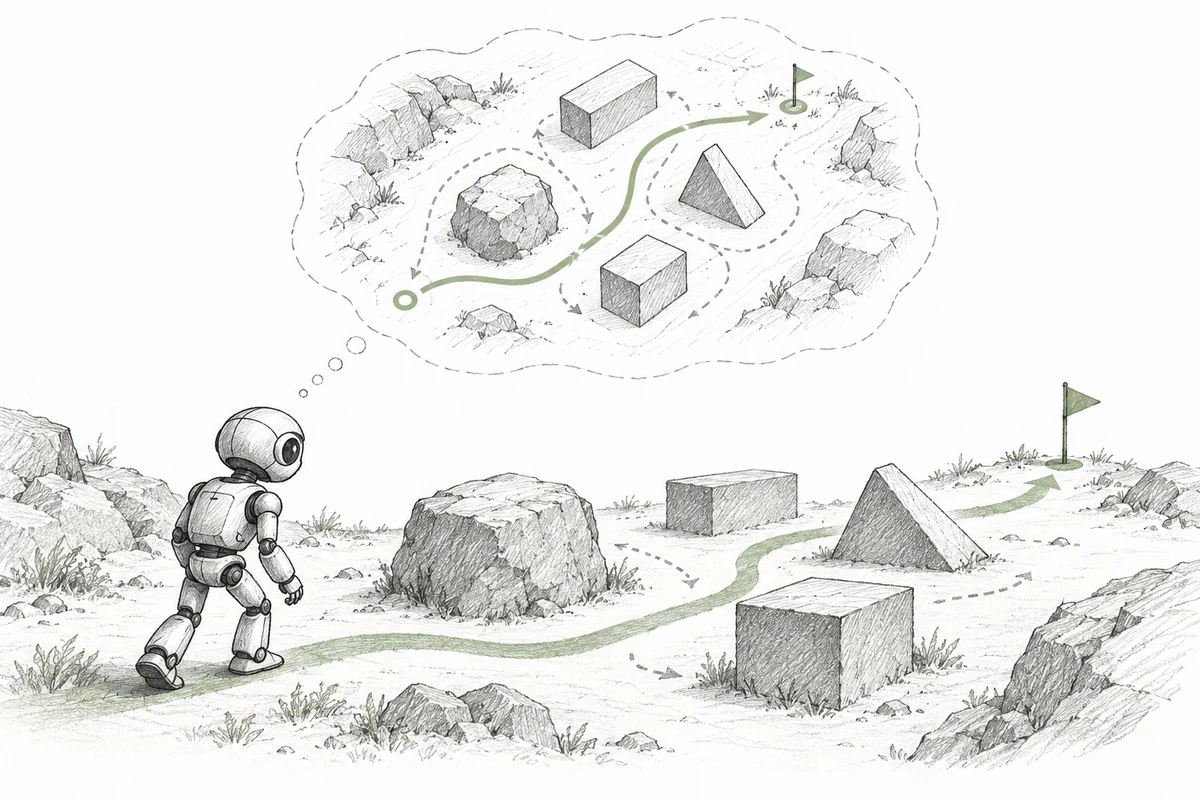
I study how robots can use learned mental models to anticipate outcomes, plan under constraints, and translate plans into feedback-driven control. How can they adapt their actions as the world changes?
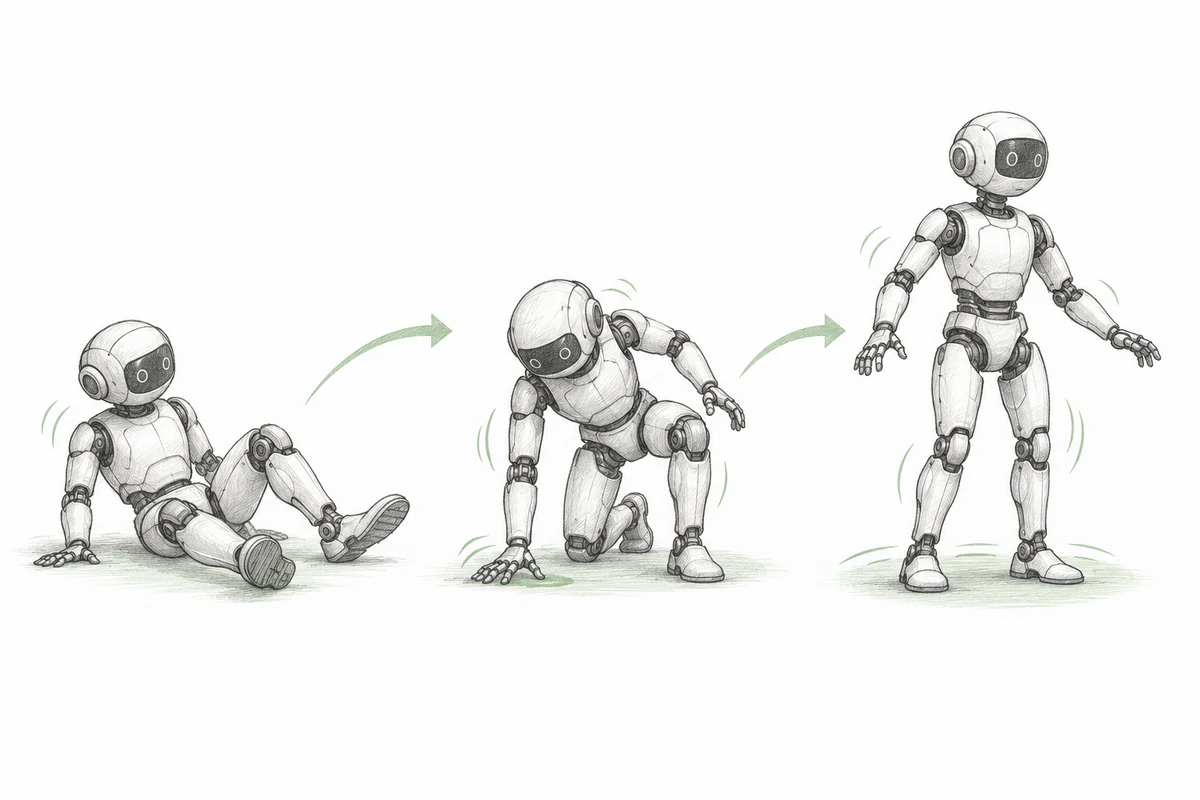
I study how interaction can teach robots about balance, contact, and motion. How can physical reasoning help a robot learn to stand up by itself and transfer what it learns to unfamiliar situations?
My live publication record is maintained on Google Scholar.
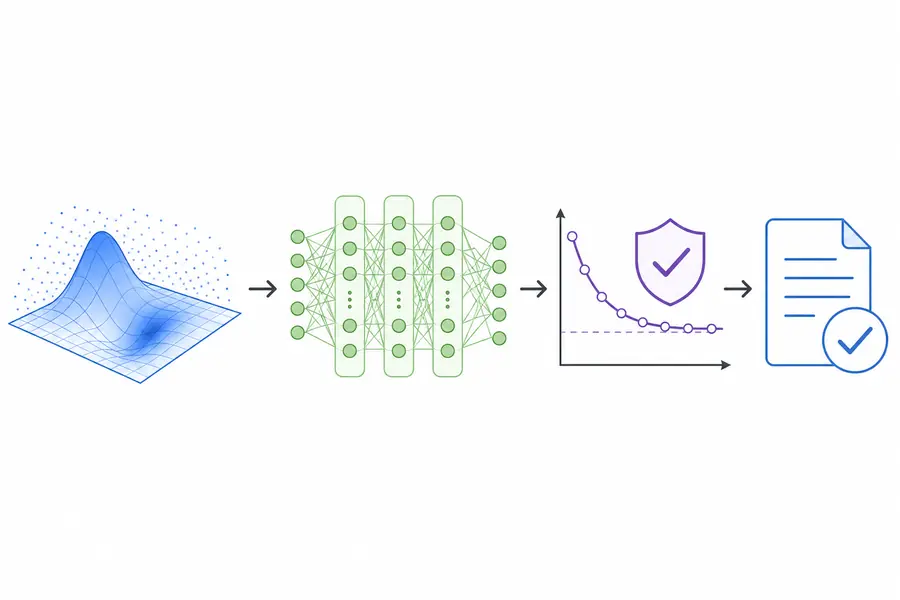 A Mathematical Analysis of Neural Operator Behaviors
Neural Operator Theory · Taylor & Francis Group
A Mathematical Analysis of Neural Operator Behaviors
Neural Operator Theory · Taylor & Francis Group
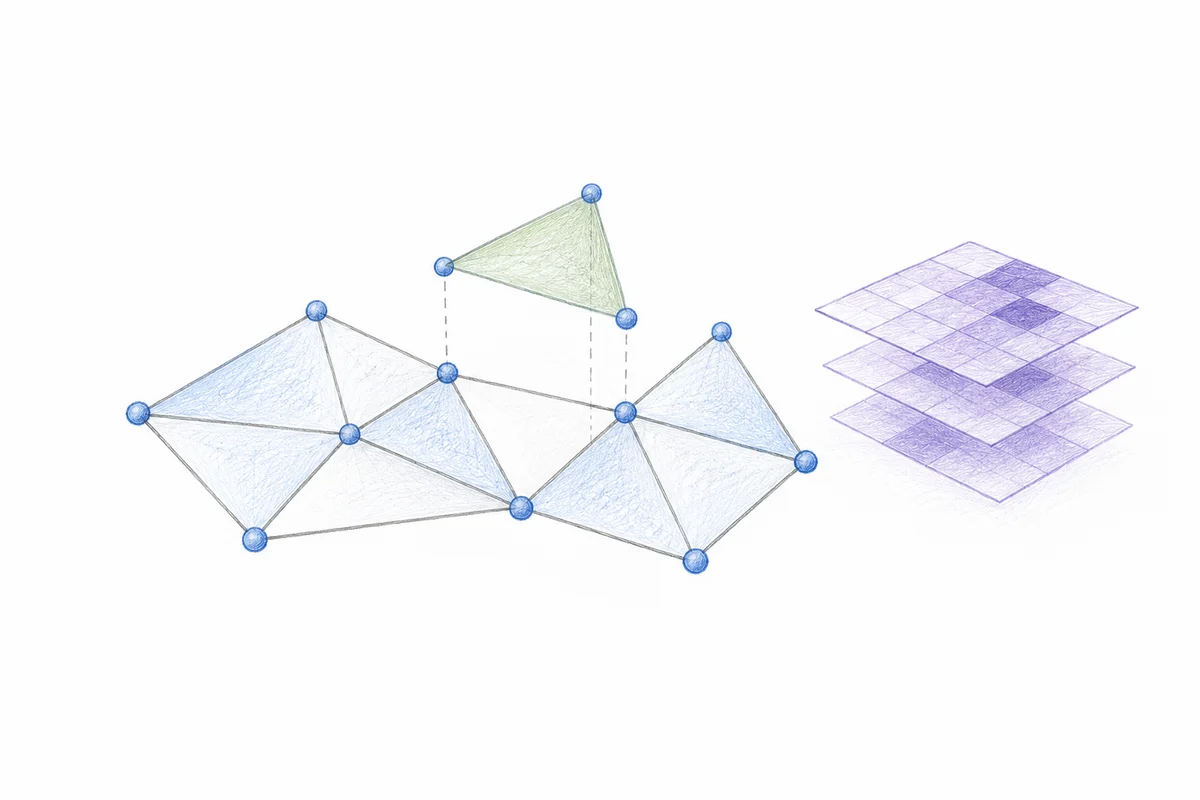 Lipschitz Bounds for Persistent Laplacian Eigenvalues under One-Simplex Insertions
Spectral Topological Data Analysis · arXiv preprint · 2025
Lipschitz Bounds for Persistent Laplacian Eigenvalues under One-Simplex Insertions
Spectral Topological Data Analysis · arXiv preprint · 2025
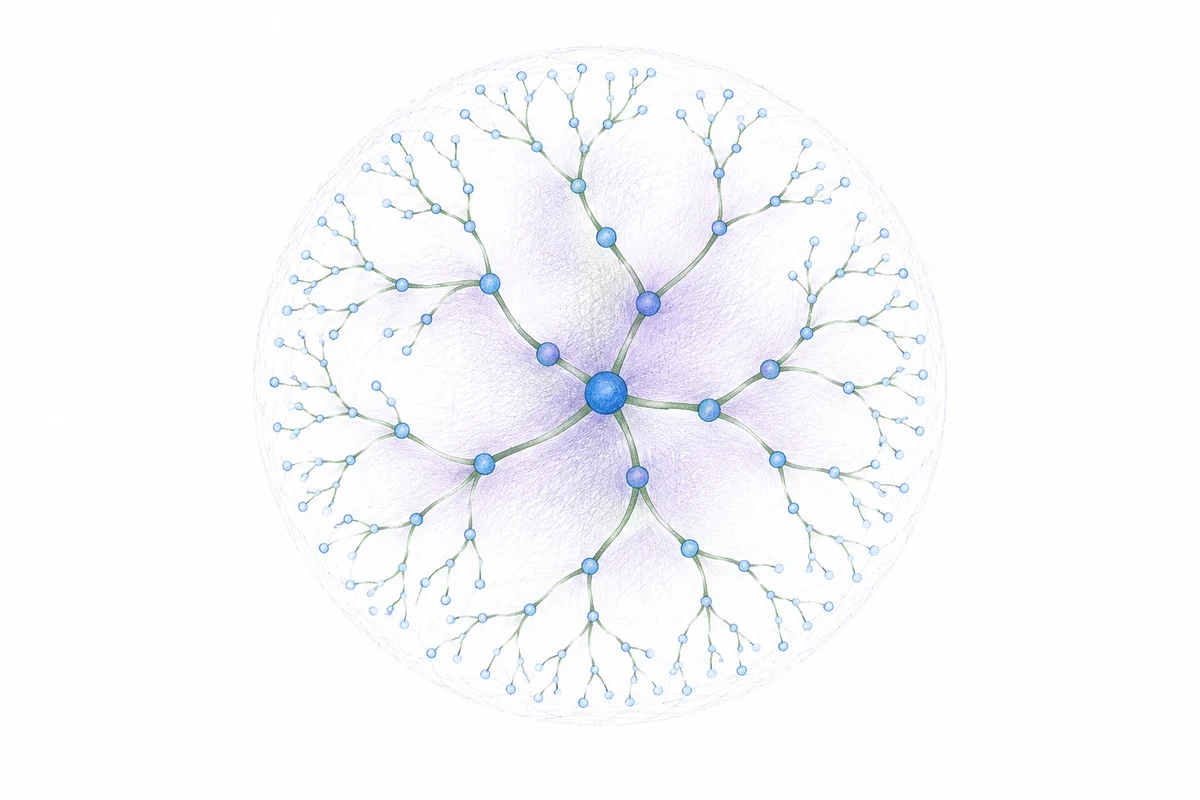 Spectral Contraction of Boundary-Weighted Filters on δ-Hyperbolic Graphs
Geometric Graph Signal Processing · arXiv preprint · 2025
Spectral Contraction of Boundary-Weighted Filters on δ-Hyperbolic Graphs
Geometric Graph Signal Processing · arXiv preprint · 2025
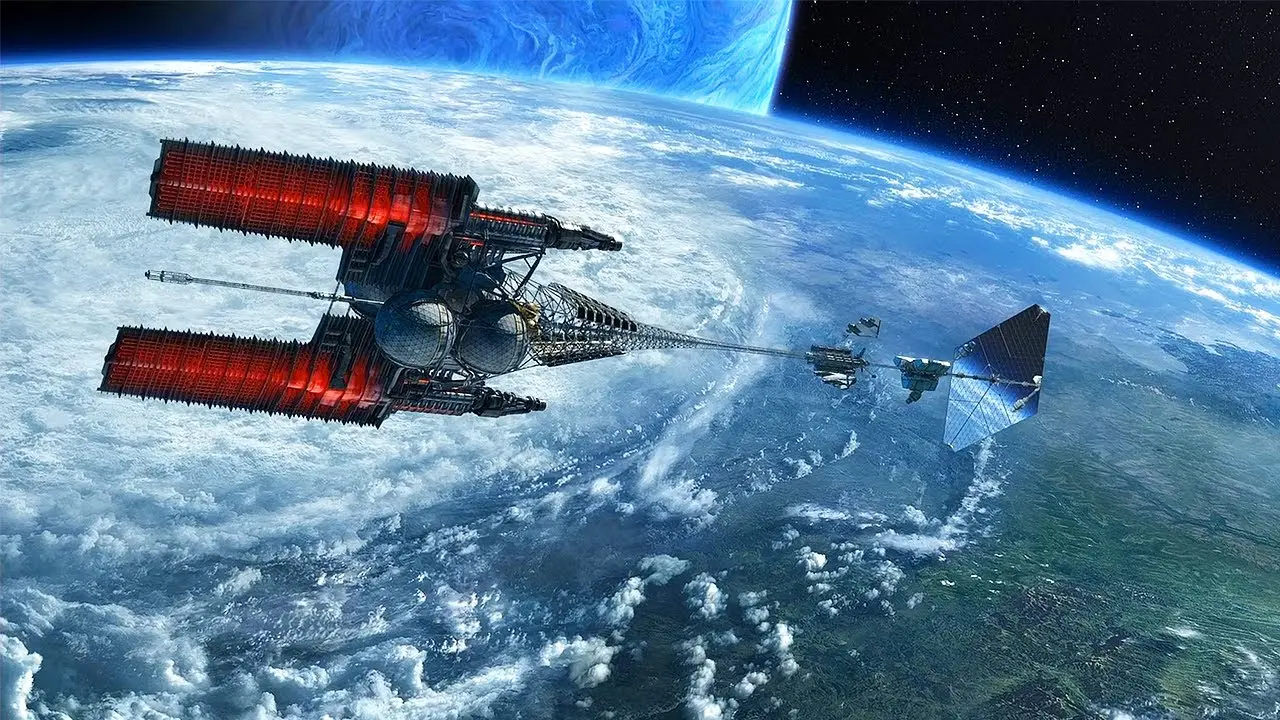
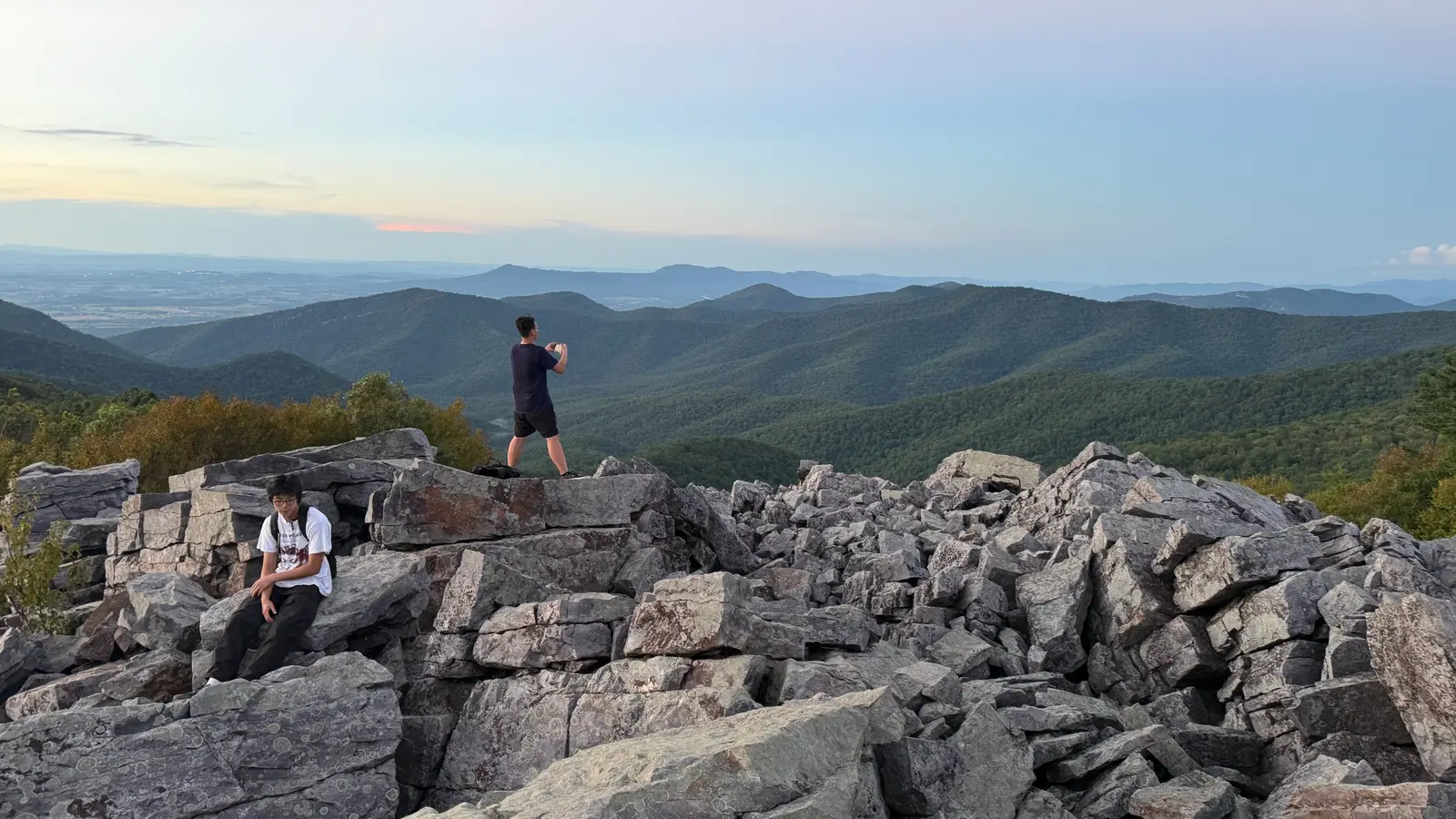
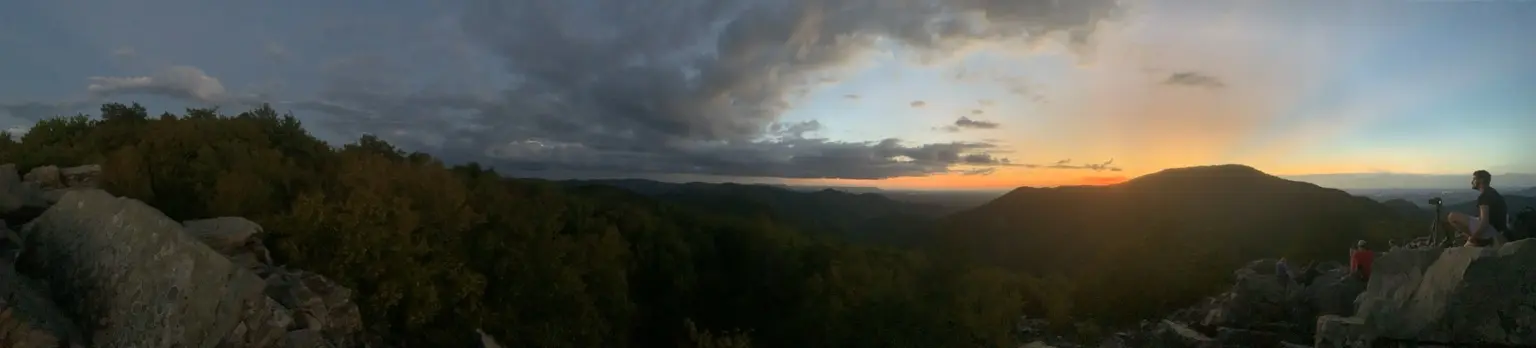
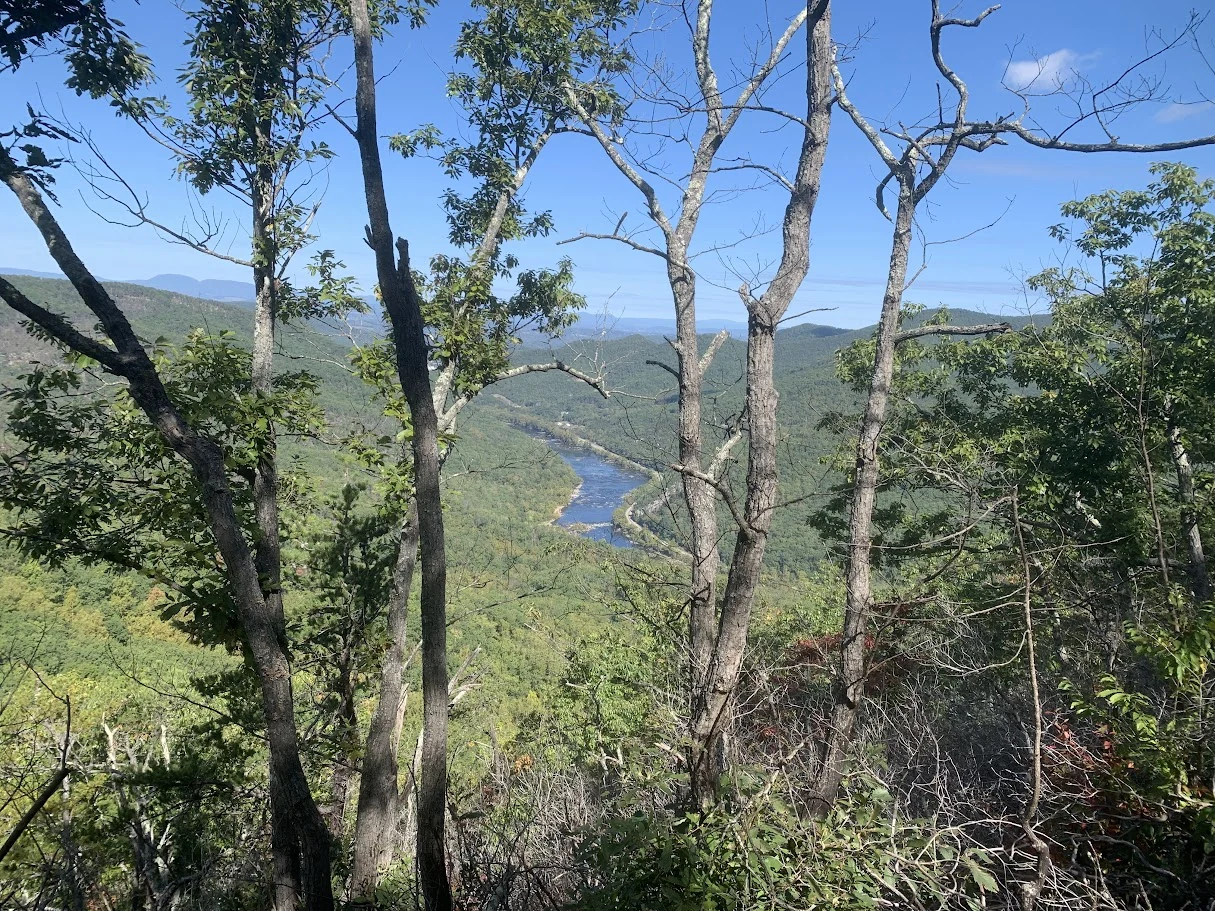
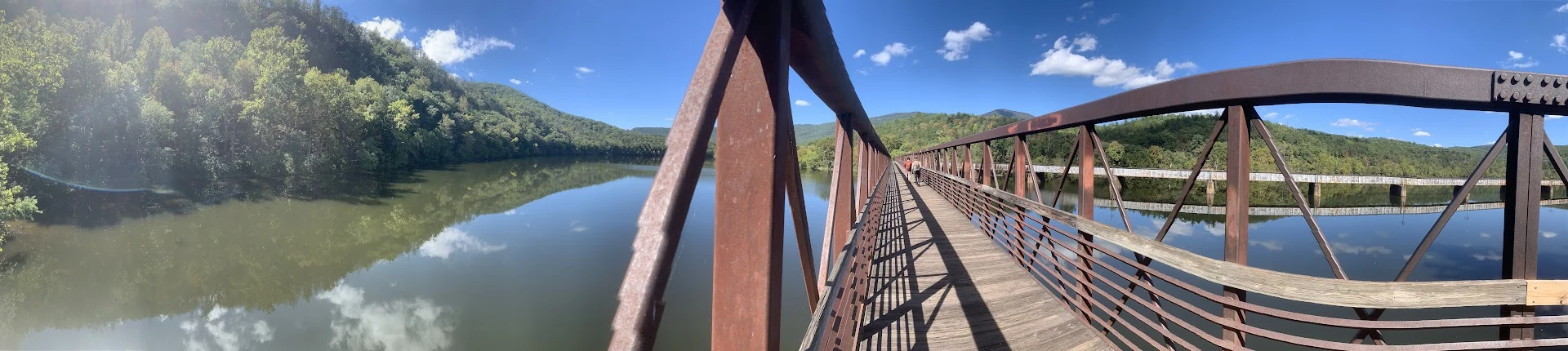
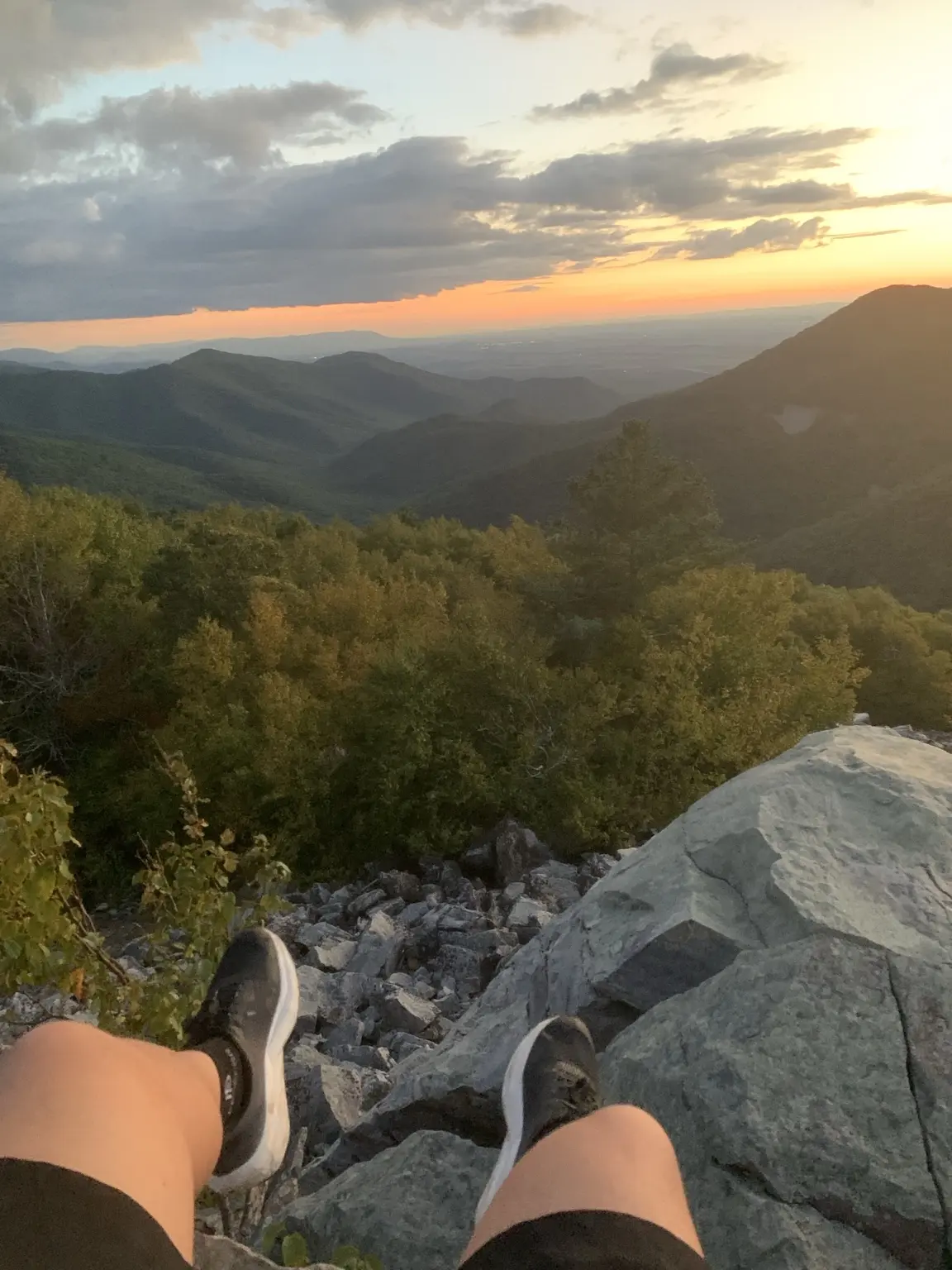
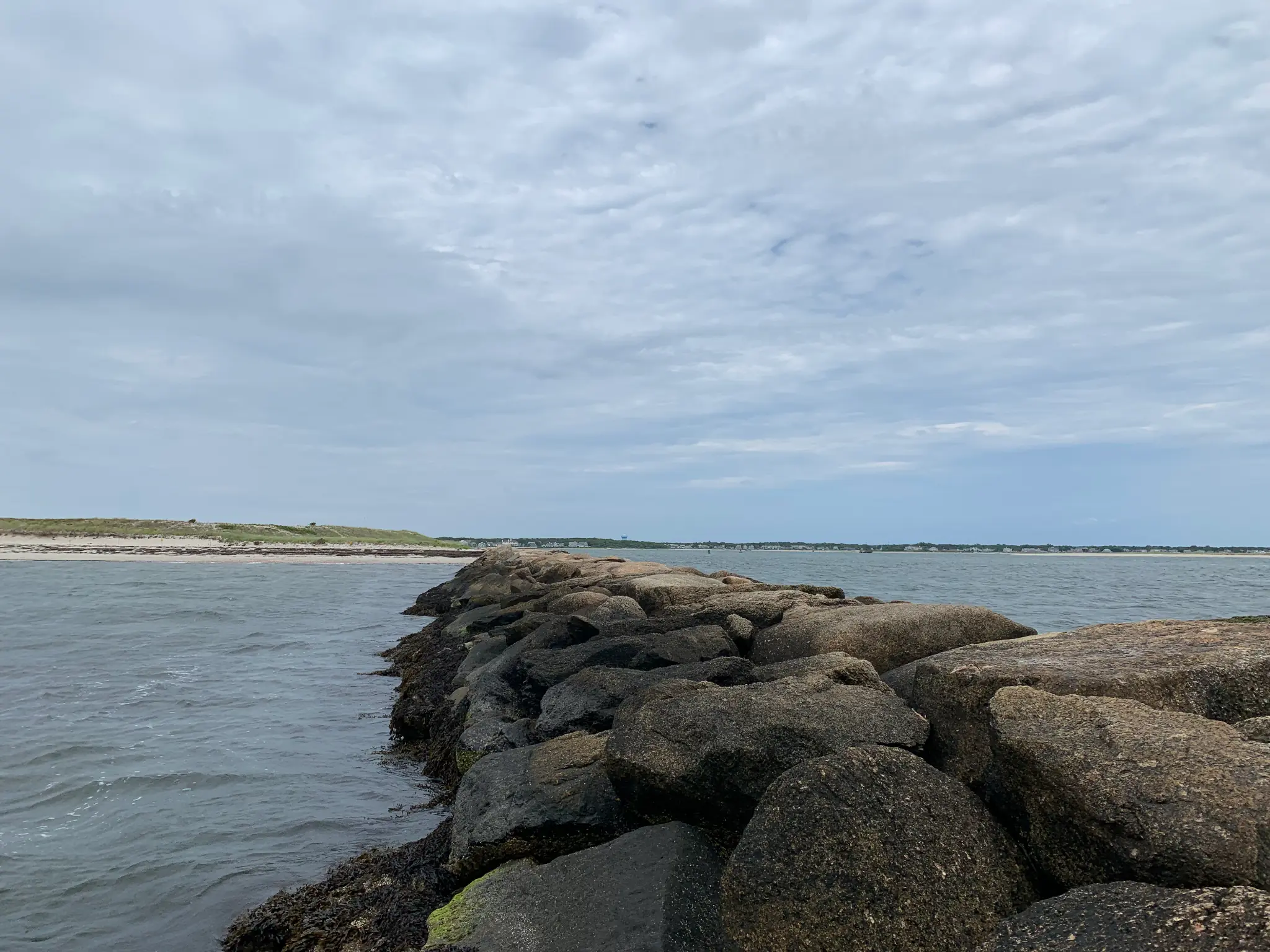
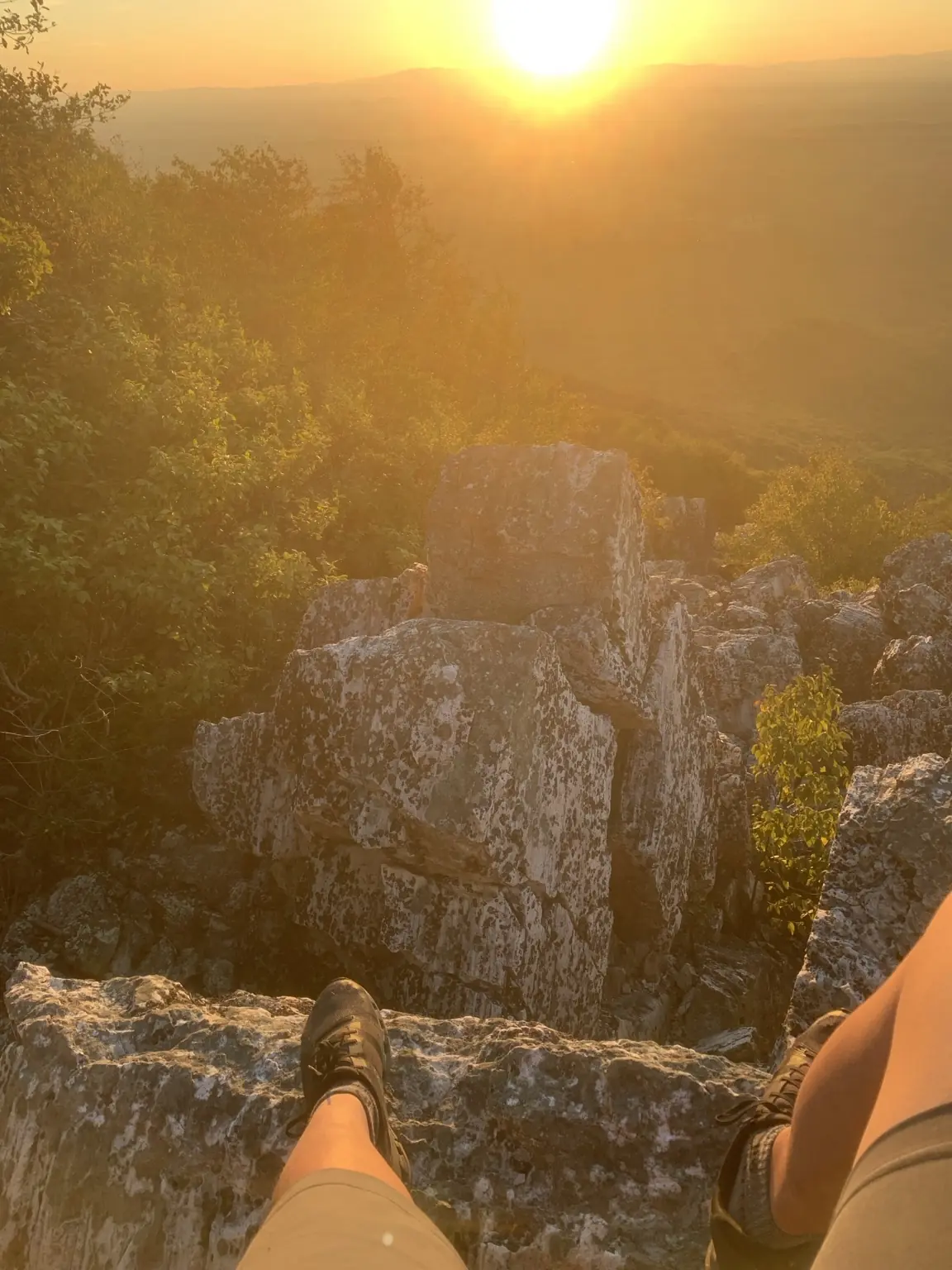
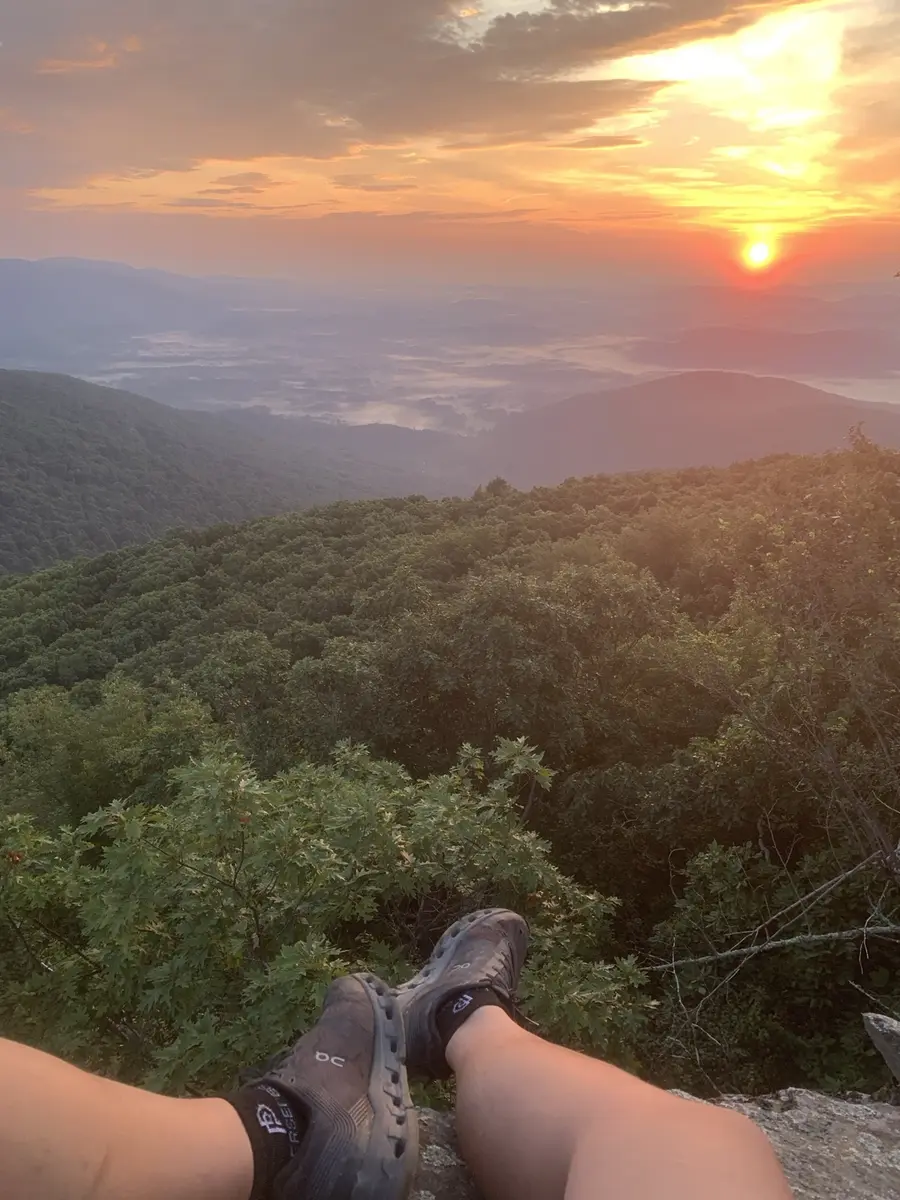
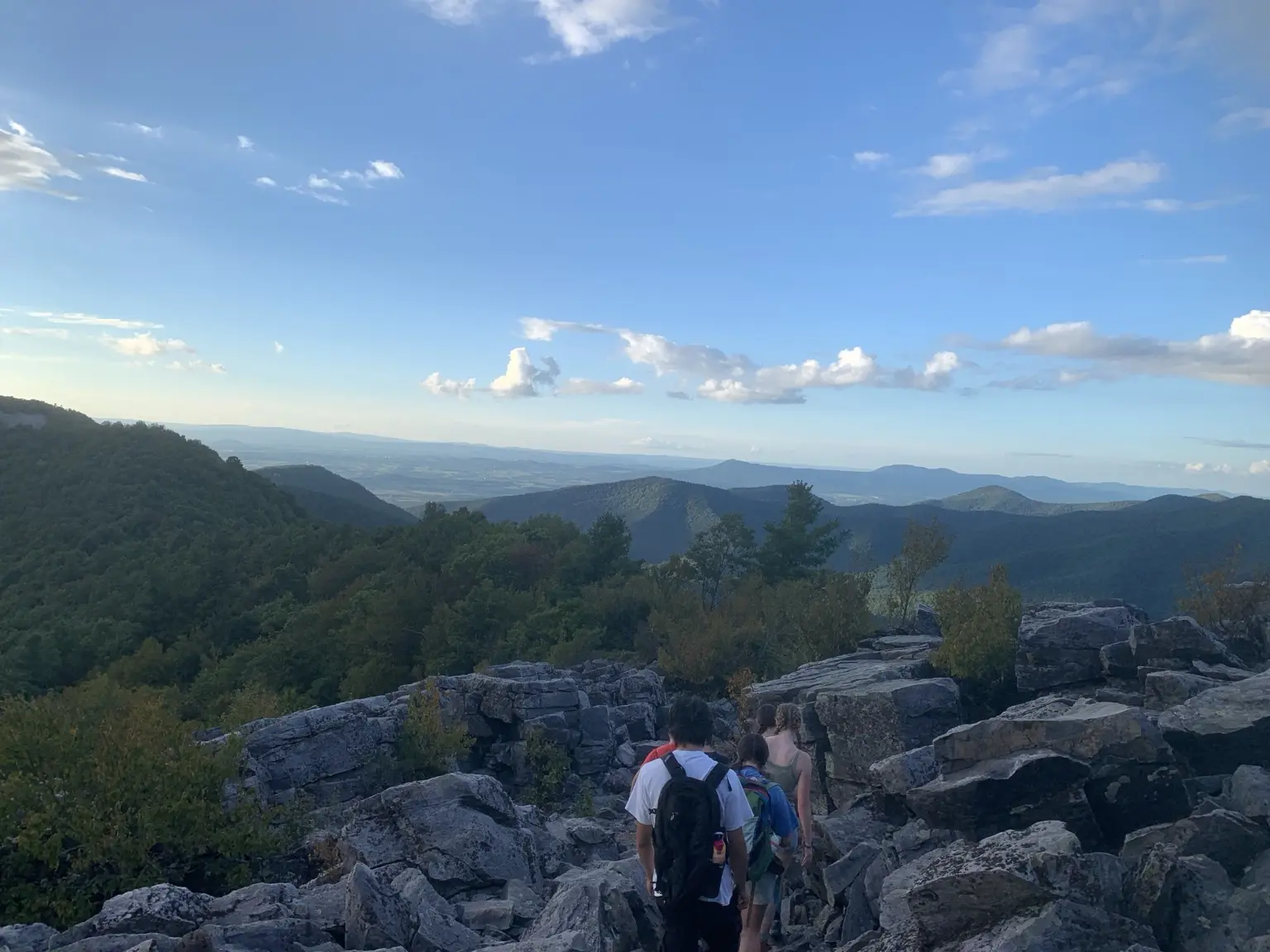
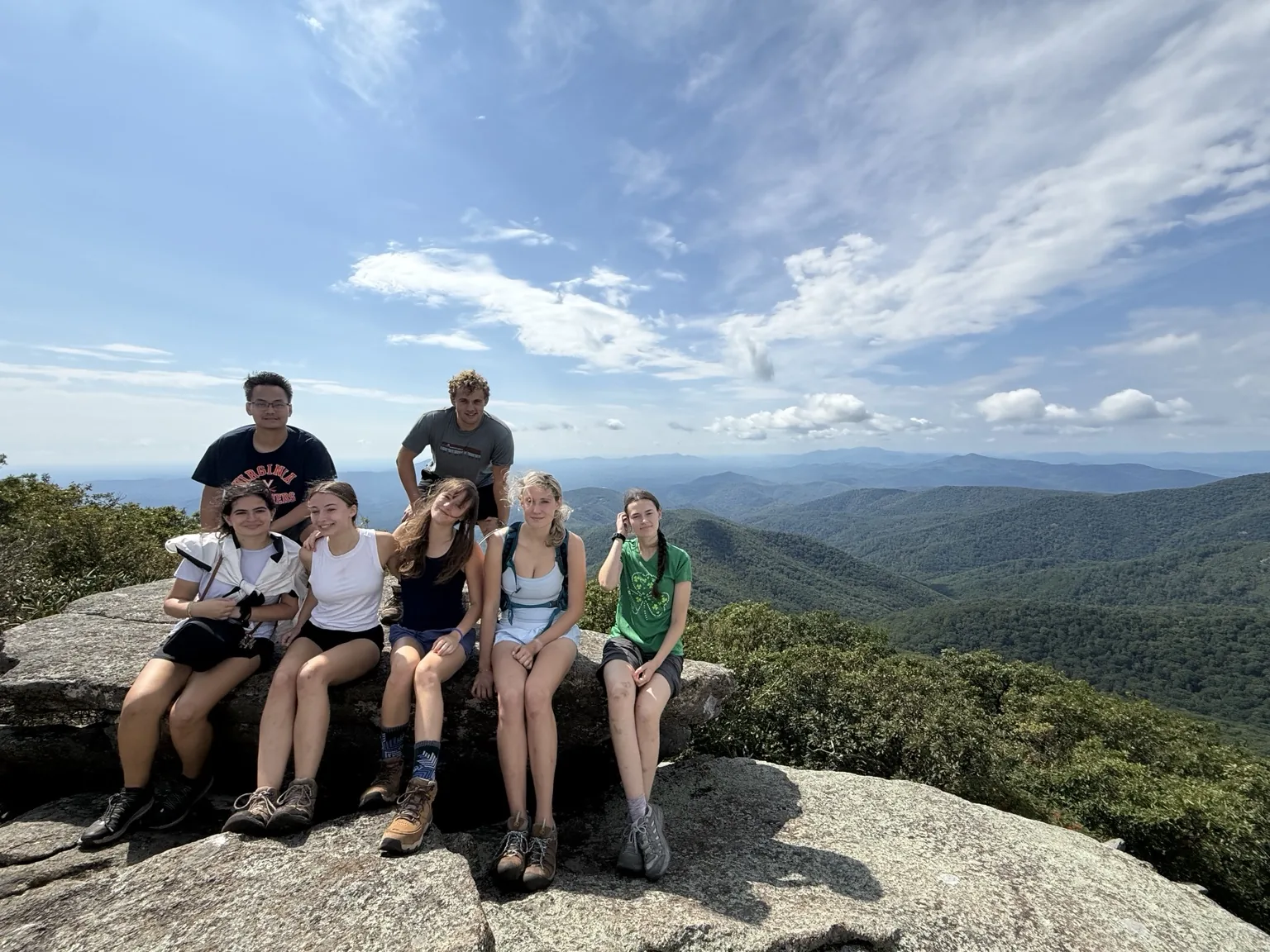
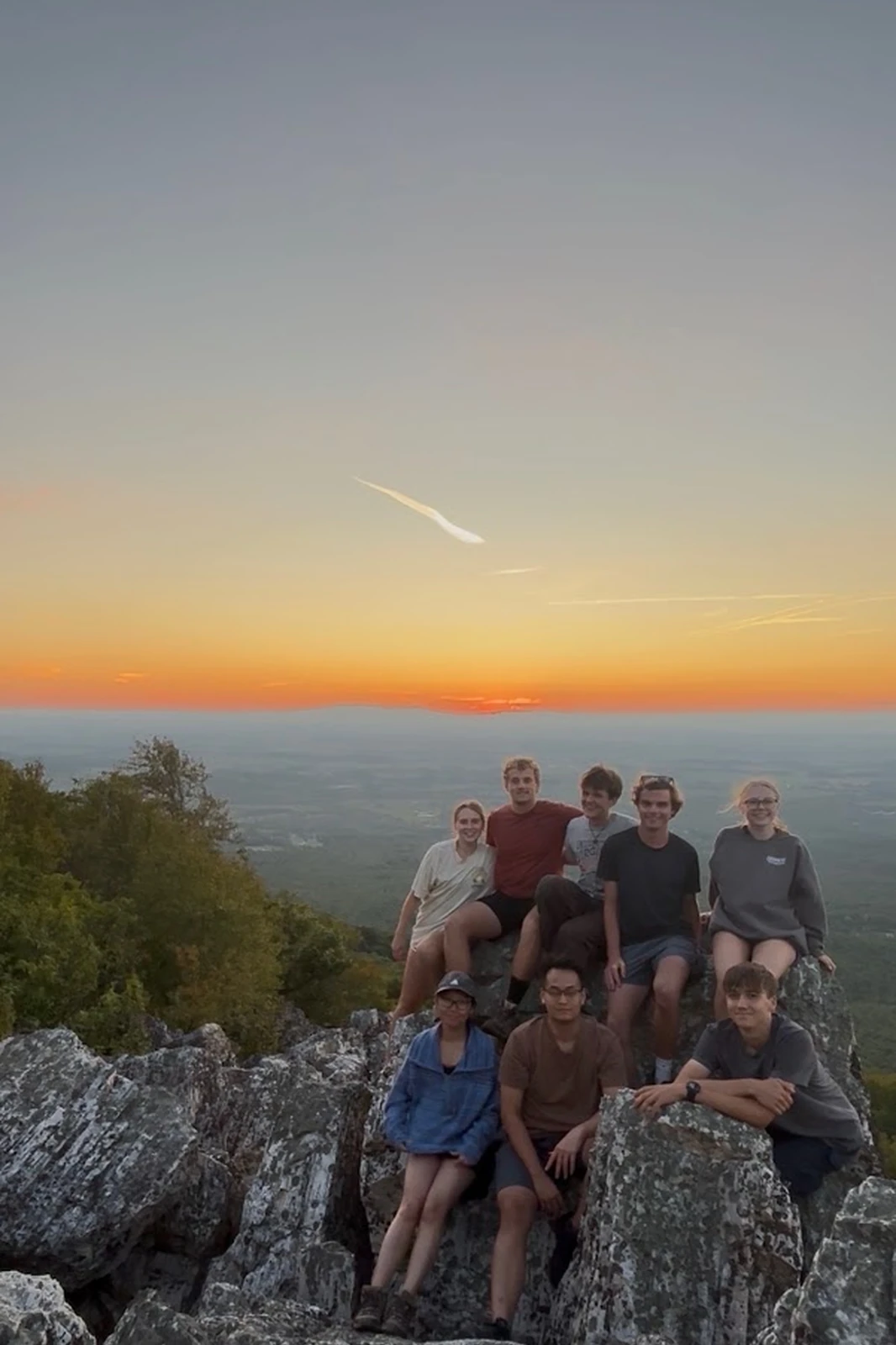
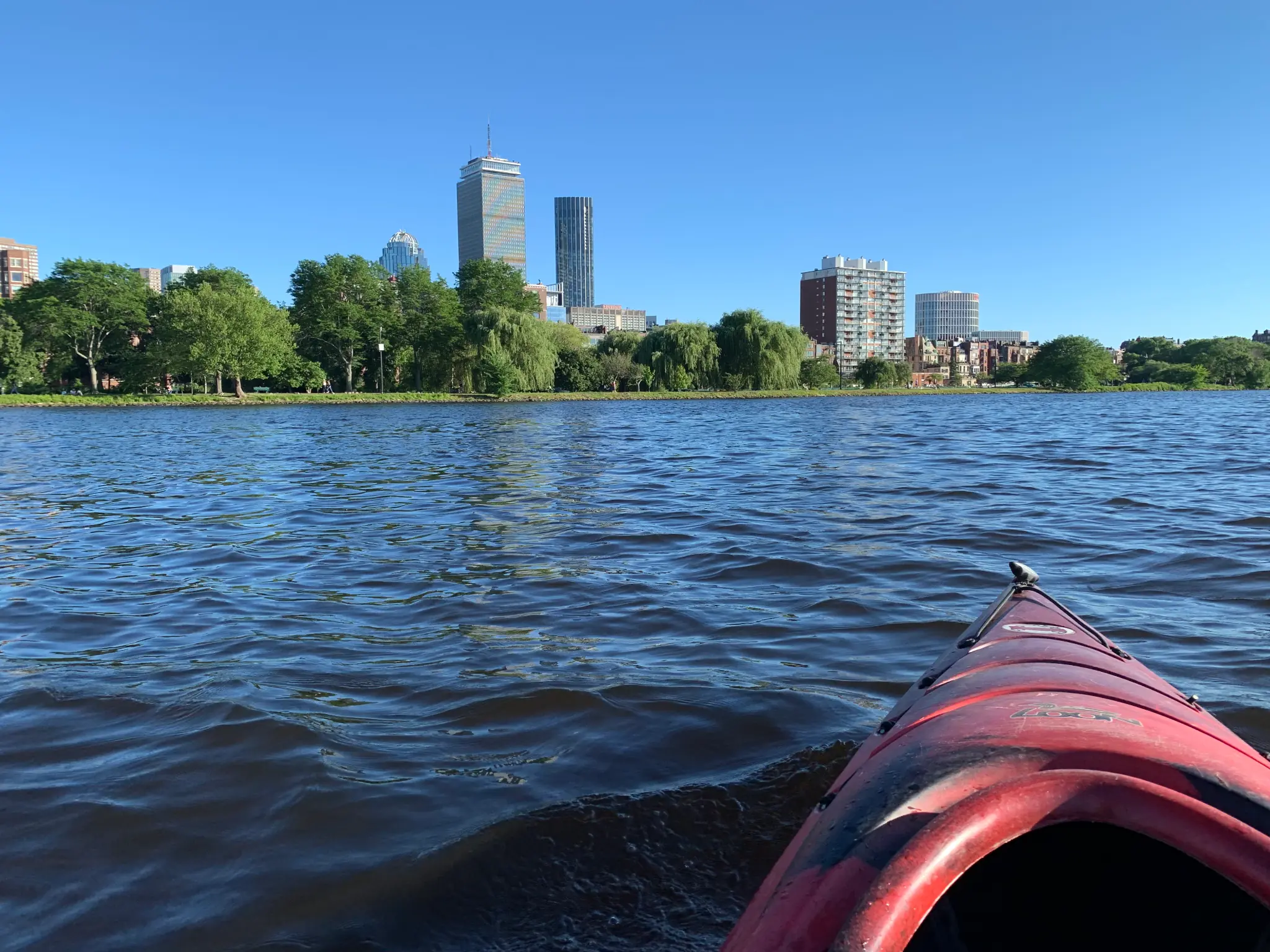
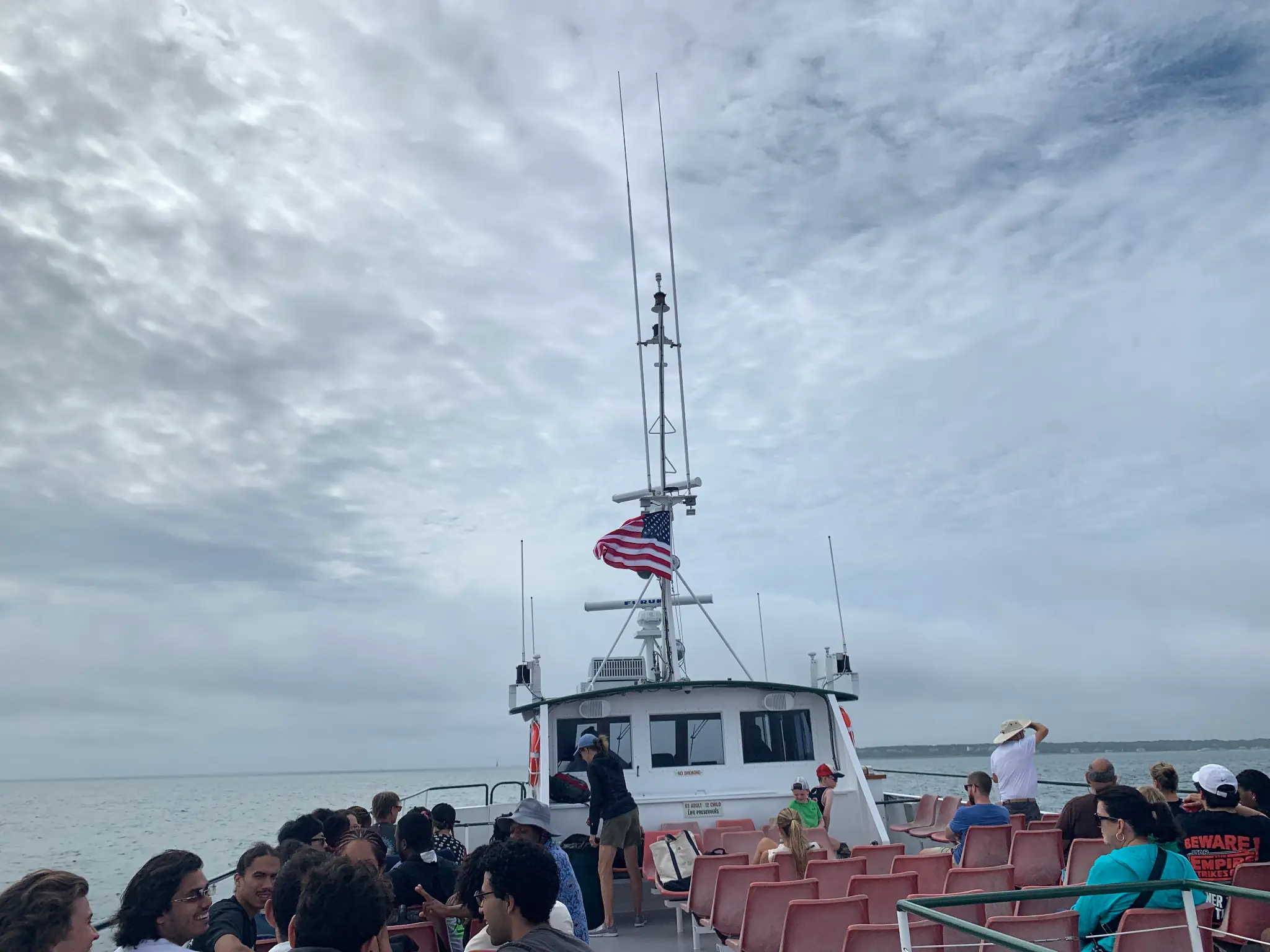
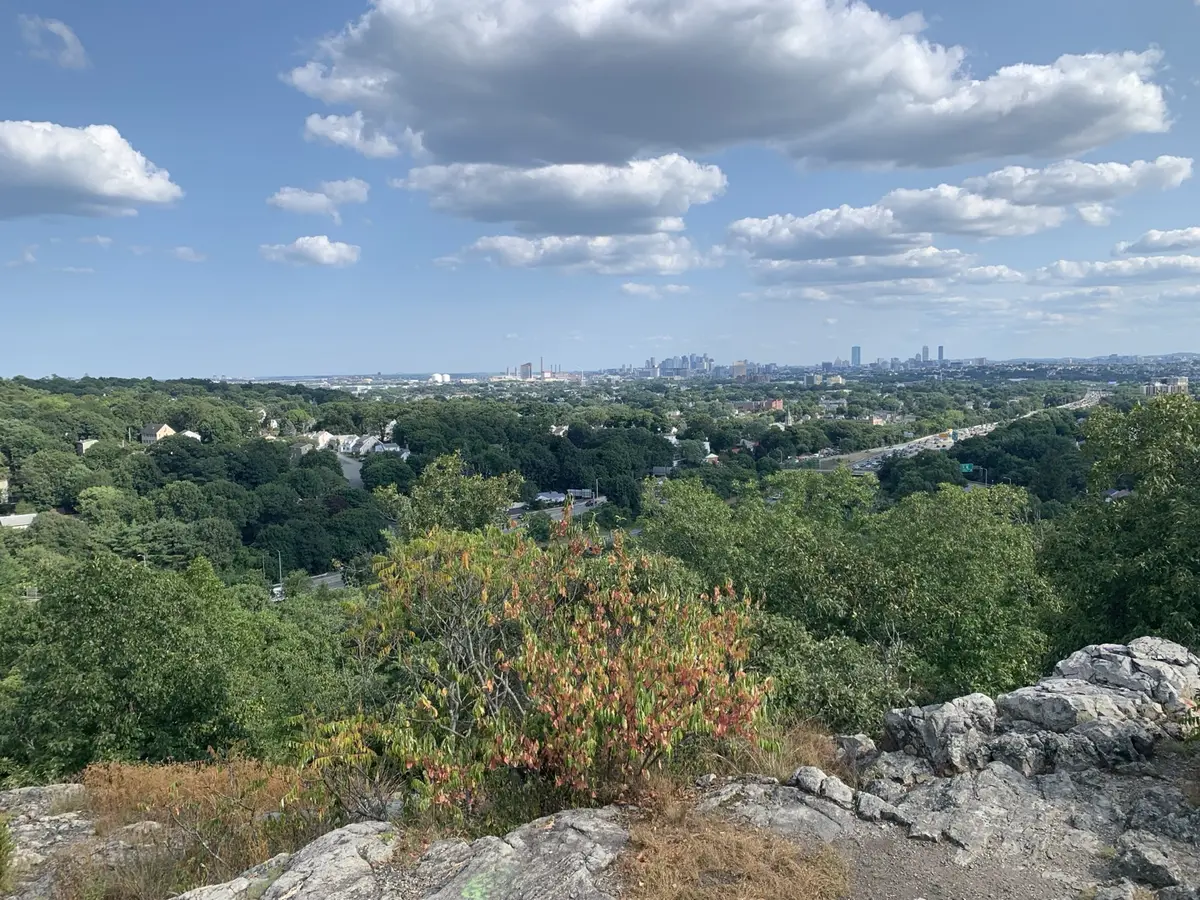
Outside of academia, I enjoy comics, travelling, hiking, and wandering in nature. I also admire space science and love relevant movies like Avatar, Dune, Star Trek, ....
I love being a member of Outdoors at UVA! Many hiking, biking, and kayaking sessions are hosted at no cost. If you are a UVA student and looking for fun things to do, please consider joining us :>